
The Future of Security Operations Is Decision Intelligence-Augmented
Publish Date: August 21, 2026For years, organizations have invested heavily in cybersecurity tools. SIEM, EDR, XDR, SOAR, cloud security, identity platforms, threat intelligence — each has improved visibility in some way. Security teams can now see more than ever before.
But that has created a differnt problem. The modern SOC is not struggling because it lacks data. It is struggling because it has too much of it.
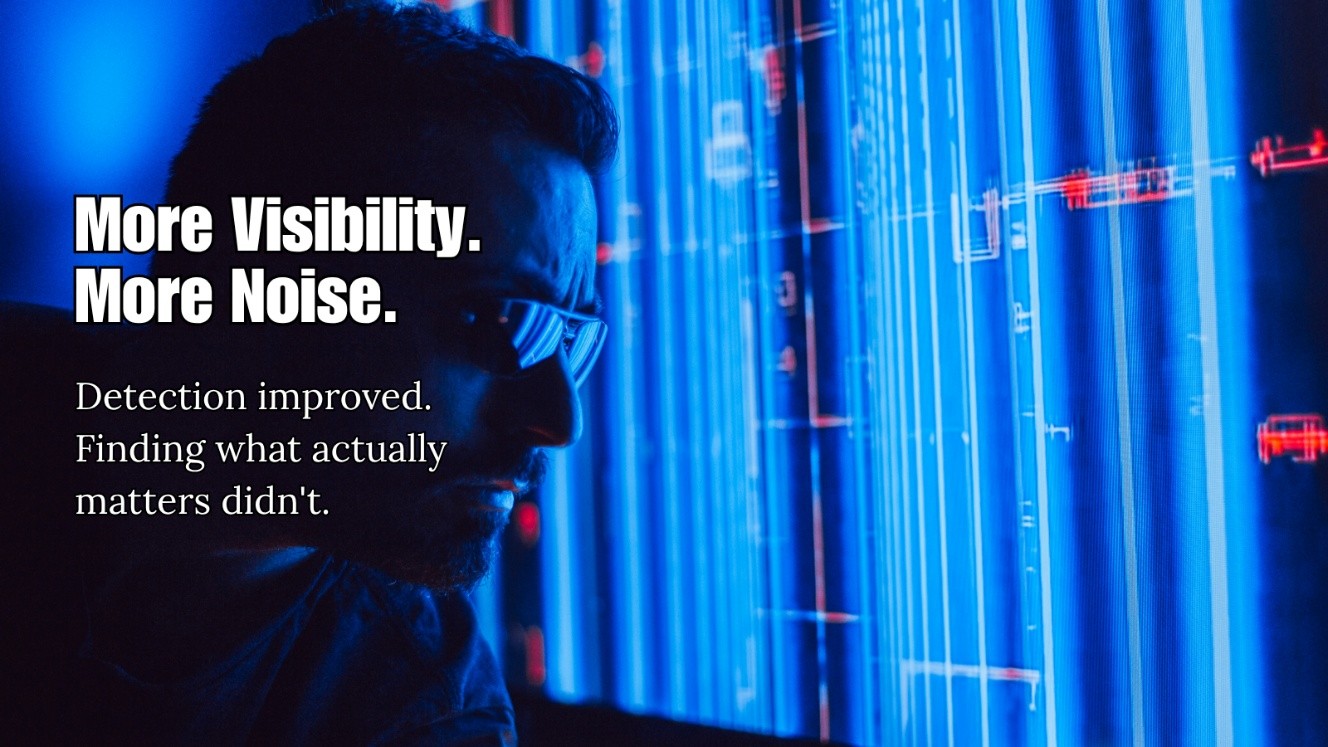
Every day, analysts deal with alerts, events, entities, users, devices, IPs, cloud activity, identity signals, threat intelligence, and response workflows. Detection has improved, but the harder part often begins after an alert is triggered.
- What happened?
- What was affected?
- What is the business impact?
- What action should be taken next?
That is where the future of security operations is heading. Not just toward more detection.Toward decision intelligence.
From detection to understanding
For a long time, SOC performance was measured by activity.
- How many alerts were processed?
- How many tickets were closed?
- How many events were ingested?
Those numbers still matter, but they do not fully show whether the organization is becoming more secure.
A SOC can process thousands of alerts and still miss the incident that matters most. It can close tickets quickly without understanding the business risk behind them. It can generate reports without giving leadership confidence that the right decisions were made.
The next generation of SOCs will need to move from alert handling to informed decision-making.
That means helping analysts understand incidents faster, connect technical signals with business context, and take the right action with confidence.
AI can play a powerful role in this shift.
Large language models, machine learning, and autonomous reasoning can help analyze telemetry across multiple security tools. They can correlate related events, summarize incidents, build timelines, enrich alerts with threat intelligence, and recommend next steps.
This can reduce the time analysts spend on repetitive investigation tasks and give them more time to focus on judgment, validation, and response decisions.
But AI should not be seen as a replacement for security professionals. That is the wrong goal. The real value of AI in the SOC is to amplify human expertise. AI can bring speed, scale, and context. Human analysts bring experience, accountability, business understanding, and critical judgment.
The strongest model is not AI alone. It is AI working with humans.
Trust is the foundation
As AI becomes more involved in security operations, trust becomes essential. Security teams cannot rely on black-box recommendations for high-impact decisions. They need to understand why an action is being suggested, what evidence supports it, and what risk it may introduce.
Trustworthy AI in the SOC should include human approval for major response actions, explainable recommendations, strong access controls, protection of sensitive security data, continuous validation of AI outputs, and alignment with organizational policies.
This is especially important as organizations begin using AI not only to improve security operations, but also across business workflows. CISOs will need confidence that AI-assisted decisions are visible, governed, and controlled.
The metrics must evolve
Modern SOC success should not be measured only by volume.
The better questions are:
Did investigation quality improve?
Did analysts become more productive?
Did response become faster and more consistent?
Did business risk reduce?
Can leadership trust the process?
These are the modern metrics that matter. AI has the potential to improve each of them, but only when it is implemented with the right governance and human oversight.
The future SOC is decision-led
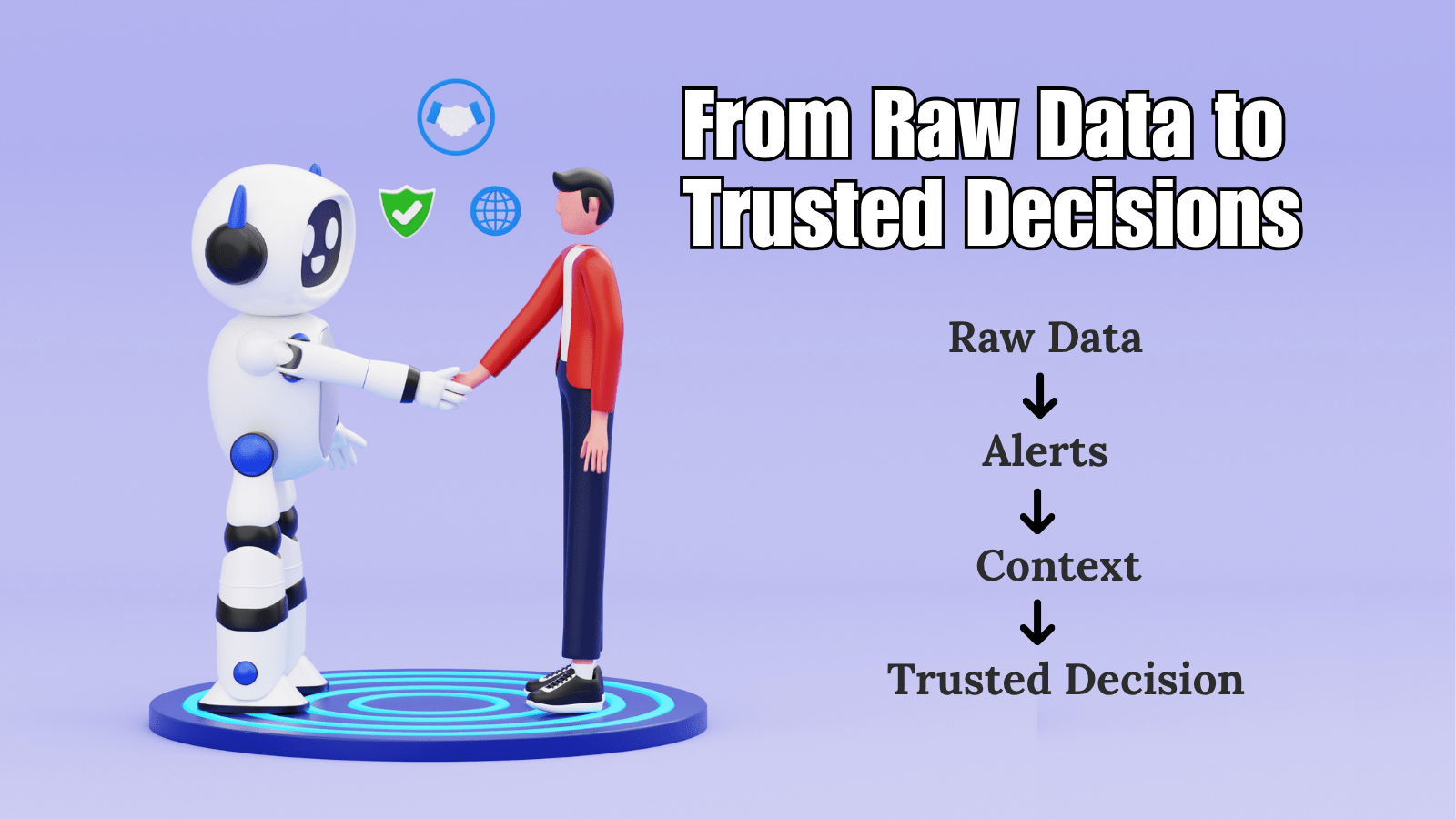
The future SOC will not be defined by how many dashboards it monitors or how many alerts it processes. It will be defined by how quickly it can turn raw security data into trusted decisions that reduce business risk.
At YASH Technologies, this is how we view the future of AI Autonomous SOC. It is not about replacing analysts. It is about helping security teams move faster, reduce repetitive effort, improve investigation quality, and respond with greater confidence. The future of cybersecurity is not autonomous machines operating without humans. It is AI empowering security teams to make faster, smarter, and more trusted decisions.
That is how the SOC moves from an alert-processing center to a strategic driver of cyber resilience.
Connect with YASH to schedule a SOC & AI Readiness Discussion

Senthilvel Kumar
Vice President – Cyber Security Services
Senthil is a cyber security Practice Head and VP at YASH offering advisory on cyber security solutions to CxO's, CISO, Board Level Executives for building a robust security modernization programme covering on-prem and Cloud.
More From Author.
Related Posts.
Beyond MTTD and MTTR: How to Prove the Business Value of an AI-Enabled SOC
Shivaram Jeyasekaran

Your SOC Has Enough Alerts. Does It Deliver the Answers the Business Needs?
Shivaram Jeyasekaran

The Microsoft Security Shift CISOs Can’t Ignore
Mahipal Kirupanithy Senthilvel Kumar Shivaram Jeyasekaran
Your SOC Is Using AI. But Who Is Securing the AI Layer?
Shivaram Jeyasekaran
AI vs AI: Why Traditional SOCs Are Losing the 2026 Threat Race
Senthilvel Kumar Vikash Kumar
Mythos Moves in Hours. Your MTTD Starts Too Late
Shivendra Sharma