
Your SOC Has Enough Alerts. Does It Deliver the Answers the Business Needs?
Publish Date: October 9, 2026Reframing security operations around decisions, evidence, and business risk
Security operations teams are surrounded by signals. Dashboards show detections, rules, coverage, and closure rates. Yet when a serious incident reaches business leadership, the questions are much simpler: What happened? What is affected? How confident are we? What should we do next?
That gap matters. A SOC can process thousands of alerts and still struggle to explain which event threatens a critical service, sensitive data, customer trust, or operational continuity. The goal is not simply to move alerts faster. It is to turn security signals into clear, evidence-backed decisions.
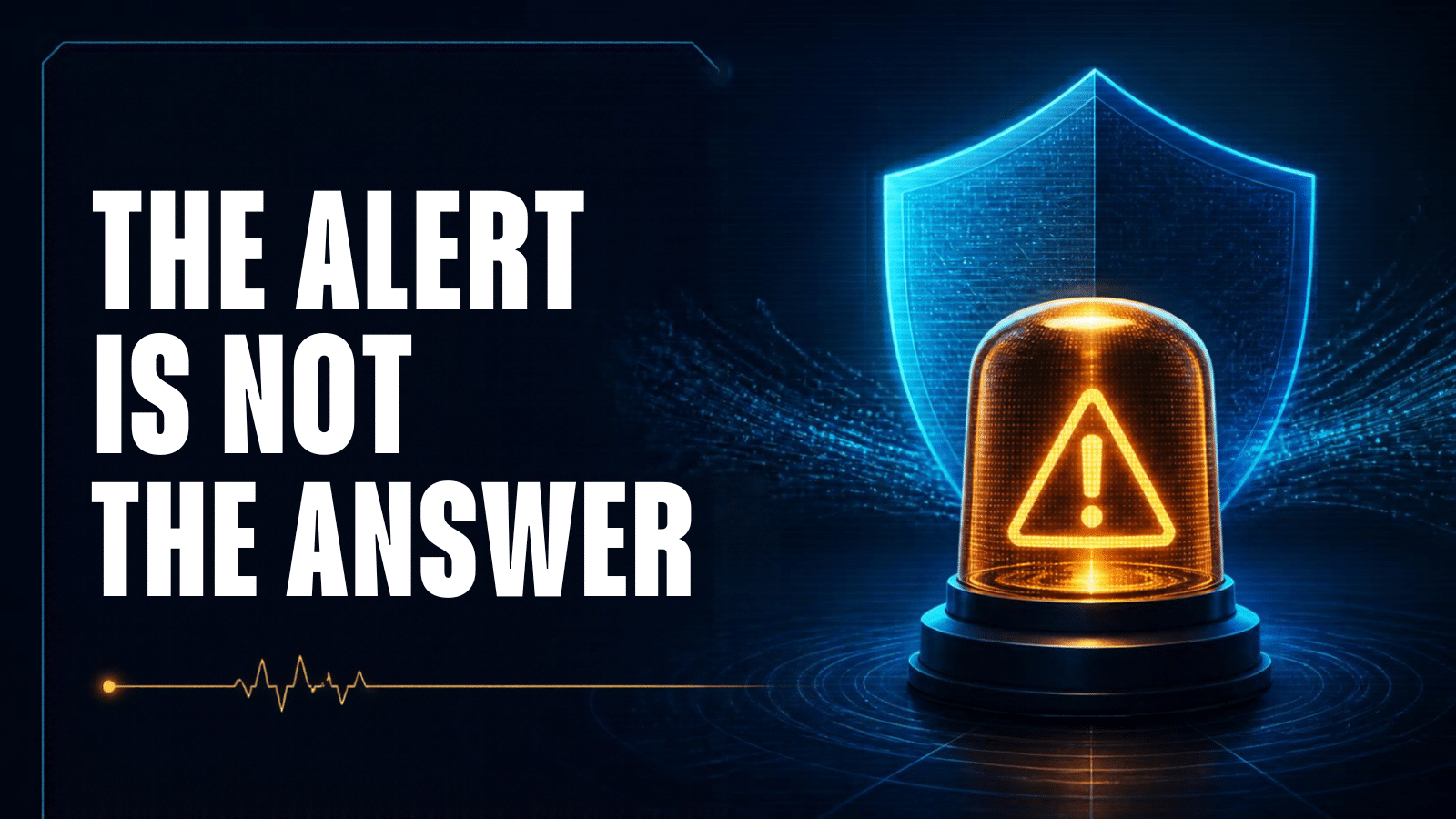
An alert is a starting point. It might show unusual sign-in activity, suspicious code execution, or an unexpected data movement. On its own, it rarely explains business impact.
Analysts must connect identity, device, cloud, vulnerability, data, and threat intelligence across different tools. They then need to understand whether the affected asset supports a critical business process, who owns it, and whether the activity could be legitimate. Until that context comes together, the business receives telemetry rather than an answer.
Design investigations around business decisions
For a material event, the SOC should be able to answer six questions:
- What happened, in plain language?
- Which business services, users, and data may be affected?
- What is confirmed, what is suspected, and what evidence supports it?
- What business, regulatory, or operational risk could follow?
- What action is recommended now?
- Who has the authority to approve it?
Playbooks should be designed backward from these outcomes, not forward from a detection. This changes what the SOC collects, enriches, automates, and escalates. It also makes security communication more useful to service owners and executives who must act on the information.
Bring business context into the investigation
Security context says a server is vulnerable. Business context says the server supports customer payments and processes regulated data. The second statement changes the priority, the response, and the people who need to be involved.
Start with the services that matter most. Map their owners, dependencies, data types, identities, hosting environments, and criticality. Make that information available during triage, not after the incident for reporting. Context available before a decision strengthens the control. Context added afterward only documents what already happened.
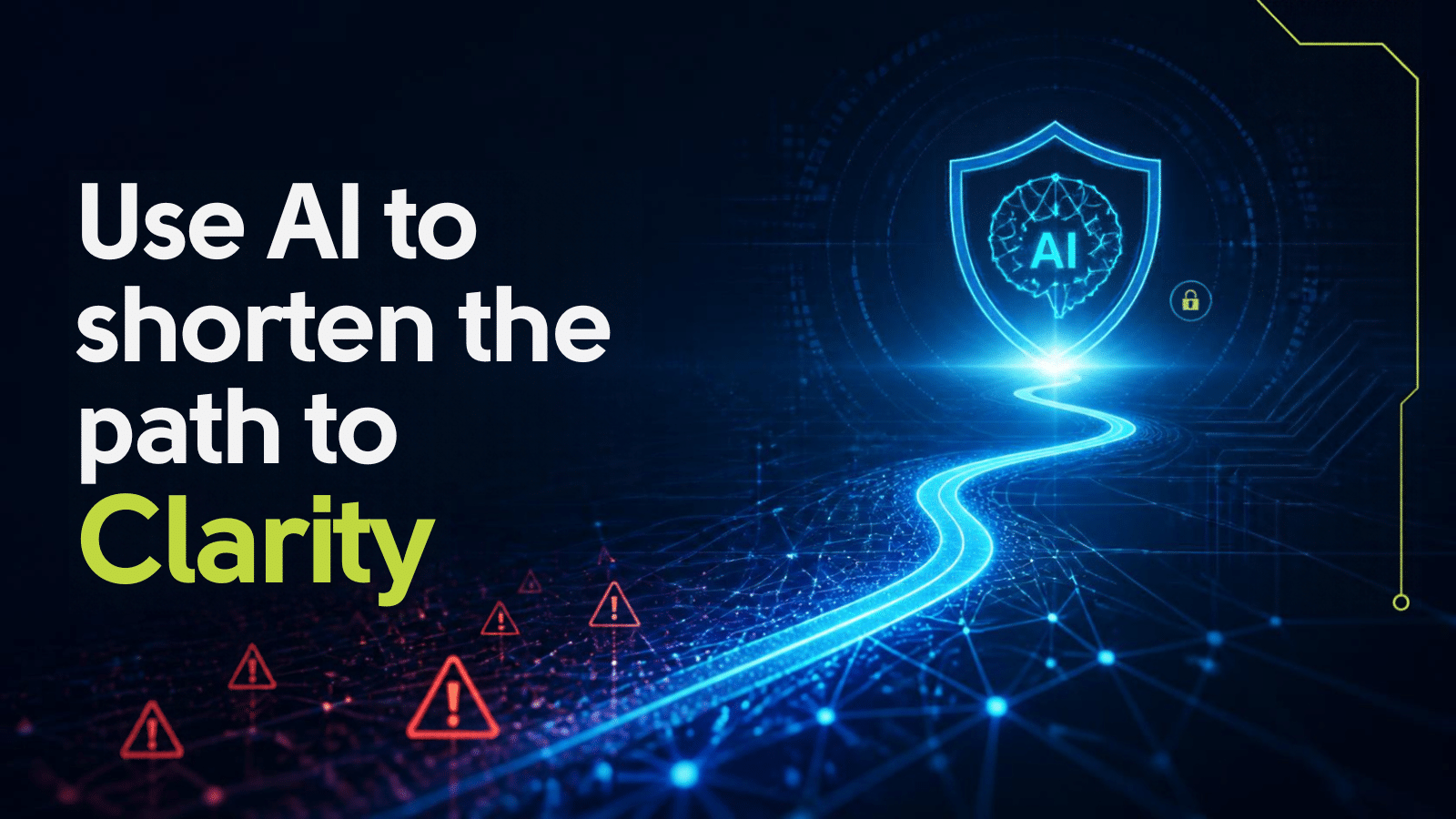
AI can help correlate evidence, build timelines, summarize cases, highlight missing information, and draft clear escalation notes. The value is not a more polished alert. It is a faster route to a decision that people can verify and act on.
Trust requires transparency. AI-generated conclusions should link back to supporting evidence and clearly separate confirmed facts from assumptions. Analysts must remain able to challenge the reasoning, especially when a recommendation could disrupt a critical service or trigger a regulatory obligation.
AI can also improve shift handovers. A structured summary of what was checked, ruled out, confirmed, and left unresolved reduces the need for the next analyst to rebuild the investigation from the beginning.
Measure the quality of decisions
Alert counts show activity. They do not prove that risk was reduced. More useful measures include time to understand scope, time to reach a validated decision, time to contain a material threat, reopened incidents, repeated incident types, escalation quality, and disruption caused by response actions.
For leadership, the central question is straightforward: Is the SOC reducing meaningful business risk faster, more consistently, and with less operational friction? Reporting should make that answer visible.
The bottom line
The modern SOC should not compete on how many signals it generates or closes. Its value lies in delivering timely, evidence-backed answers that protect critical operations and help leaders make confident decisions.
The shift begins with one workflow. Follow a critical incident from alert to business decision, identify where context is missing or delayed, and redesign the process around the answer the business needs.
Ready to turn security signals into faster, better-informed business decisions? Explore how YASH’s AI-enabled SOC services can help strengthen security operations, improve resilience, and reduce operational risk – https://www.yash.com/campaign/ai-autonomous-soc-services/

Shivaram Jeyasekaran
Director – Cybersecurity Services, YASH Technologies
A distinguished cybersecurity leader with over 23 years of experience transforming enterprise security landscapes across global organizations. He is recognized for architecting and scaling robust cybersecurity programs that align with business objectives while maintaining cutting-edge defense capabilities. Shivaram has spearheaded numerous large-scale cybersecurity consulting engagements in his illustrious career, helping organizations navigate complex security challenges while balancing innovation with risk management. His approach combines strategic vision with practical implementation, ensuring organizations stay resilient in the face of evolving cyber threats.
More From Author.
Related Posts.

Beyond MTTD and MTTR: How to Prove the Business Value of an AI-Enabled SOC
Shivaram Jeyasekaran



The Future of Security Operations Is Decision Intelligence-Augmented
Senthilvel Kumar

The Microsoft Security Shift CISOs Can’t Ignore
Mahipal Kirupanithy Senthilvel Kumar Shivaram Jeyasekaran

Your SOC Is Using AI. But Who Is Securing the AI Layer?
Shivaram Jeyasekaran

AI vs AI: Why Traditional SOCs Are Losing the 2026 Threat Race
Senthilvel Kumar Vikash Kumar

Mythos Moves in Hours. Your MTTD Starts Too Late
Shivendra Sharma